A History of Greatness
Here’s a post for the gear addicts, for the old blokes obsessed with the mechanics and hardware associated with this profession, and for the people whose eyes light up whenever the Peli case is opened.
A pictorial list of every camera I’ve ever used - both professionally, and in an amateur setting.
It’s a journal of tens of thousands of pounds of wasted money, many futile attempts at purchasing something that improves my workflow, and often a lesson in how not to run a photography business if I’m honest. There are everyday workhorses, ridiculous follies, expensive experiments gone wrong, and everything inbetween. It’s only cameras - the lenses i’ve used and sold/discarded over the last couple of decades will require another separate post of some length (and some memory scraping for sure).
So brace yourselves for a dive into the history of my cameras - the positives and negatives of each, and what they meant in the development of my photographic life.
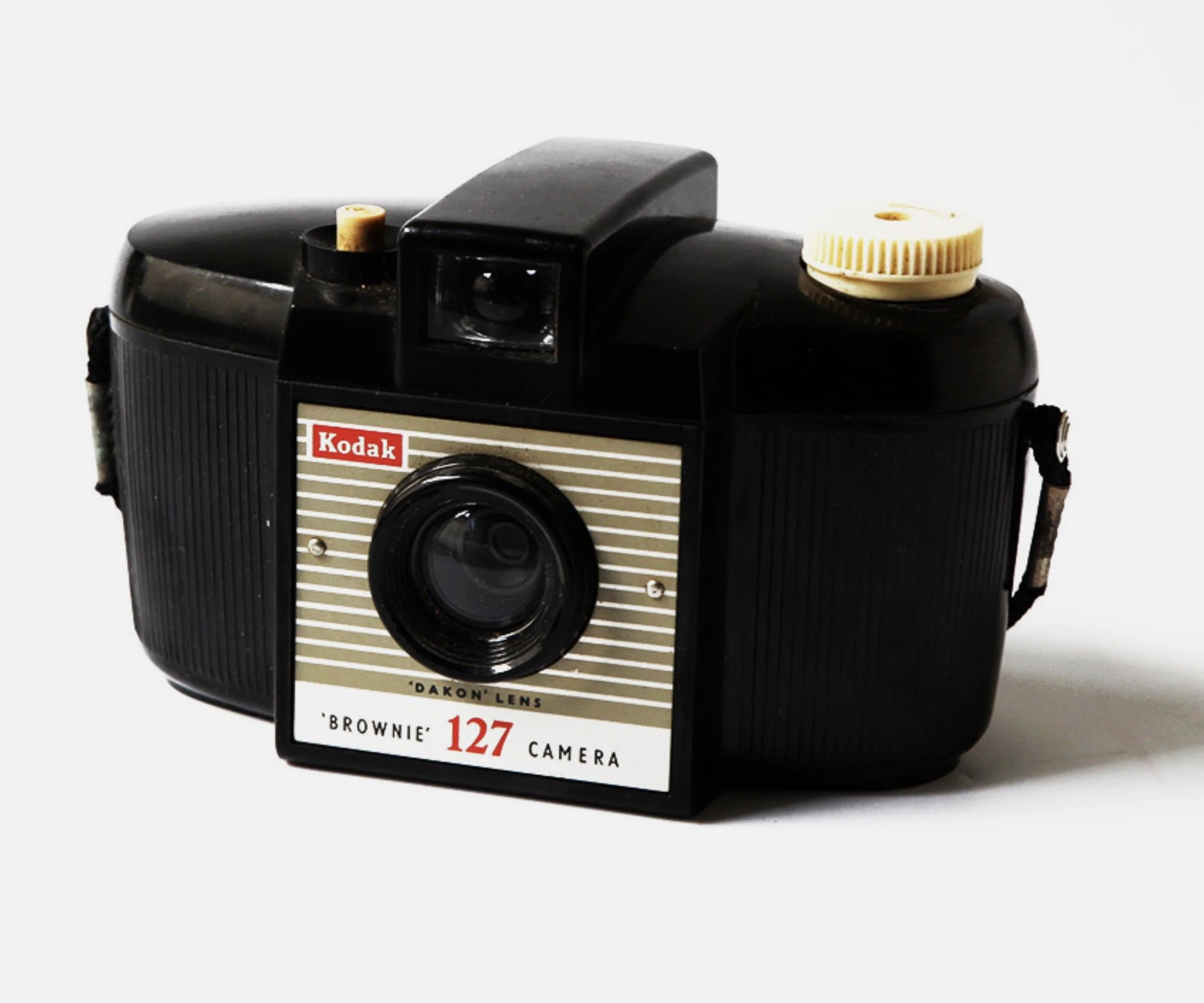
The Kodak Brownie 127. This was actually my dad’s camera, but it was the one which was always in the house from decades before my arrival in 1965 to the day that his house was cleared after his death in 1996. It took the old 127 roll film, and shot square frames. Every family holiday, Christmas, and baby photo was shot with this basic plastic box. Ours didn’t have the striped front, but it shot through the plastic, fixed aperture lens with a quiet click, and then had to be wound to the next frame. It seemed to capture everything perfectly.
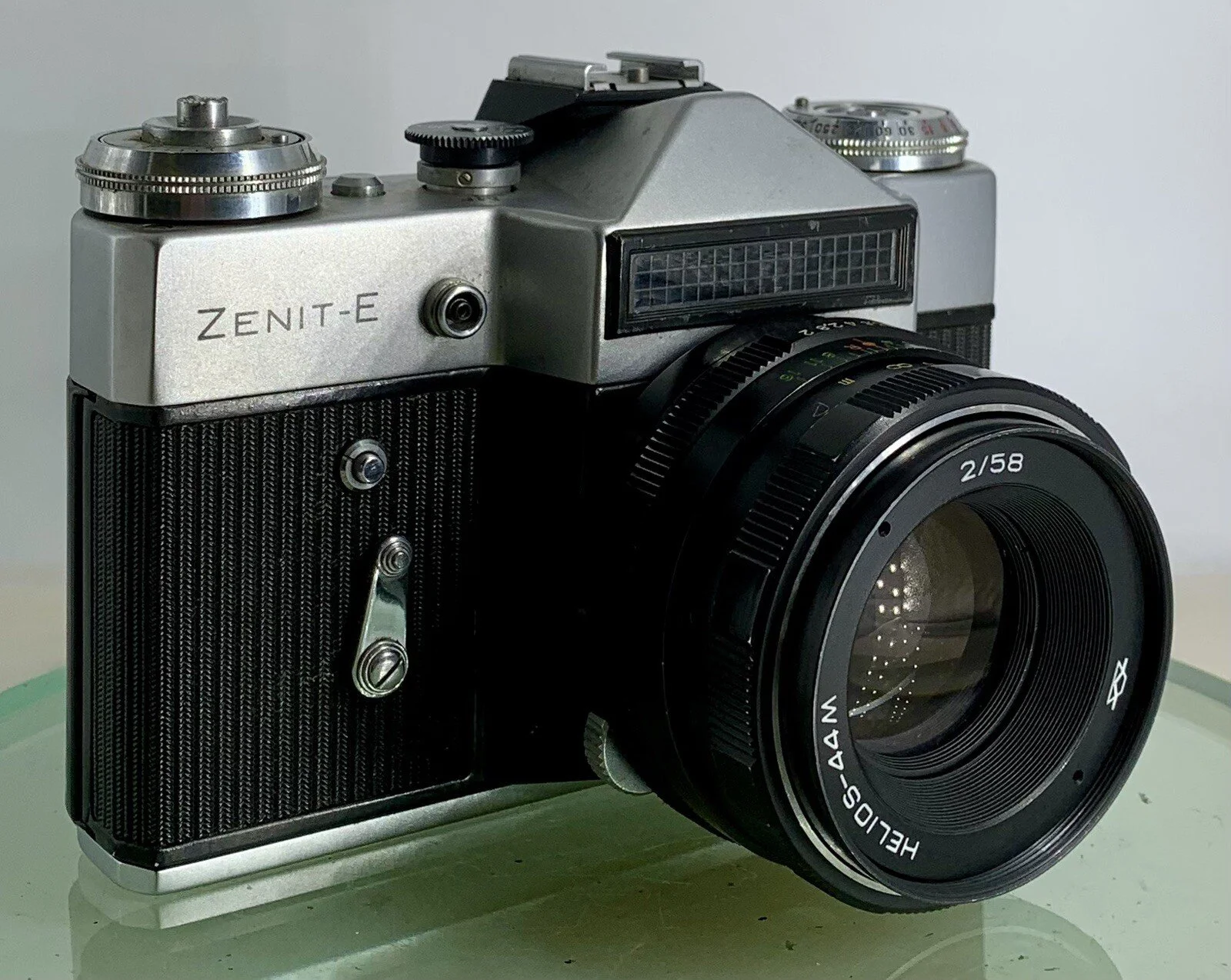
My first 35mm SLR - the Zenit E bought from the used camera counter at Parishes department store in Byker in 1979. Made in the USSR from solid steel, it had a 58mm Helios lens, and an exposure meter made of a selenium panel at the front - which worked really well. Everything was manual, and nothing could hold it back. I shot countless rolls of 35mm film from Kodachrome 25 to Ilford Pan-X. At one point I managed to get a gigantic 300mm f8 telephoto lens which took me into a different world. Paired with 3200 ASA film, I was suddenly a sports photographer. I cut my teeth on this bad boy.
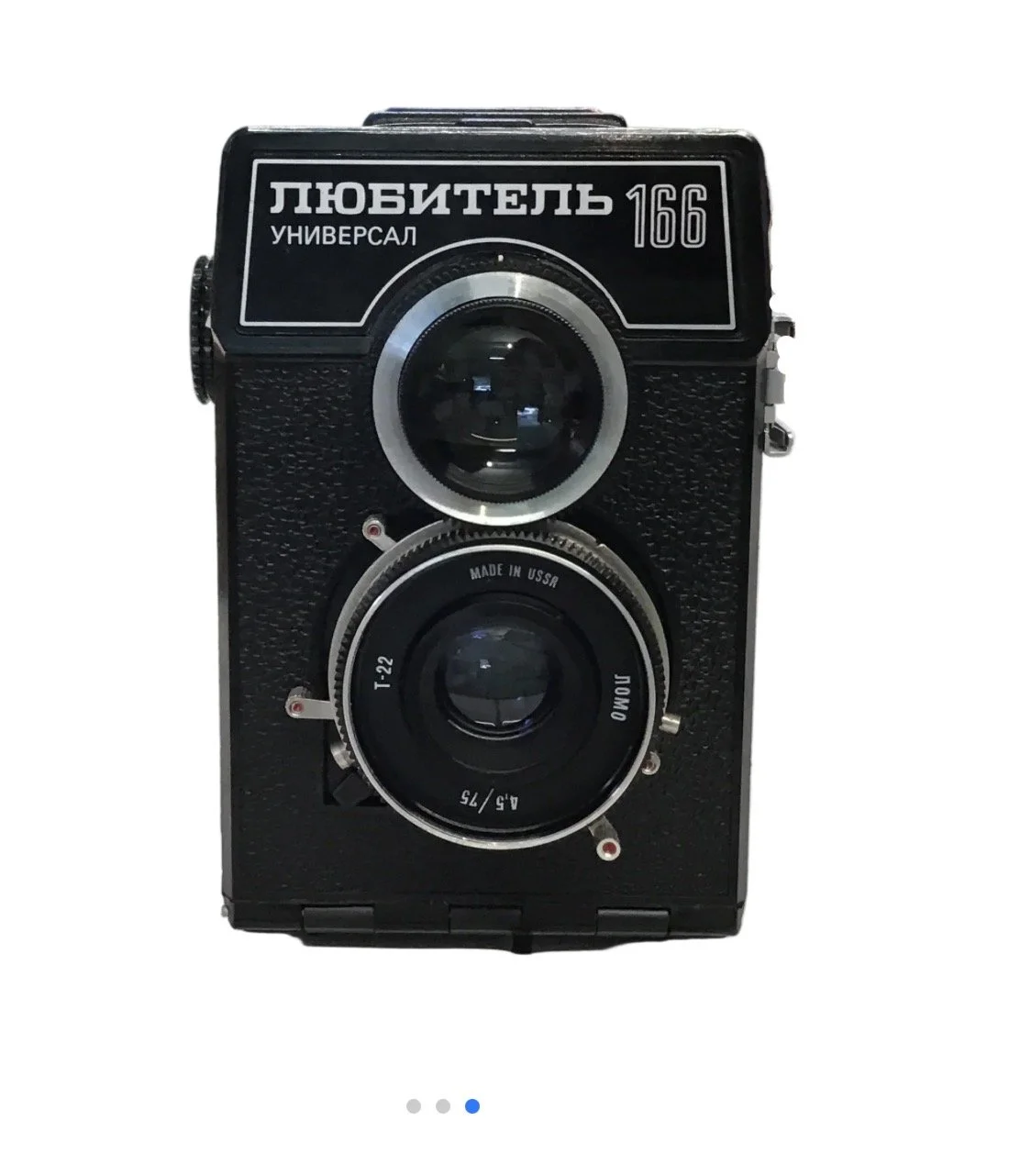
After seeing an article in “amateur photographer” magazine about medium format cameras, I persuaded my old man to get me this Russian monstrosity - The Lubitel 166 double-lens-reflex (DLR) camera. The top lens provided the viewfinder image - it was one of those waist-level, ground glass virefinders, and the bottom lens projected onto the 120 roll film. It produced square negatives. All the controls were situated around the lens, so you needed to set the shutter speed and aperture, cock the shutter, then press the button on the lens mount to expose. I had a lightweight tripod and shutter release cable, and I thought I was a proper pro in my own head while using this. There weren’t many kids knocking about the streets with a DLR.
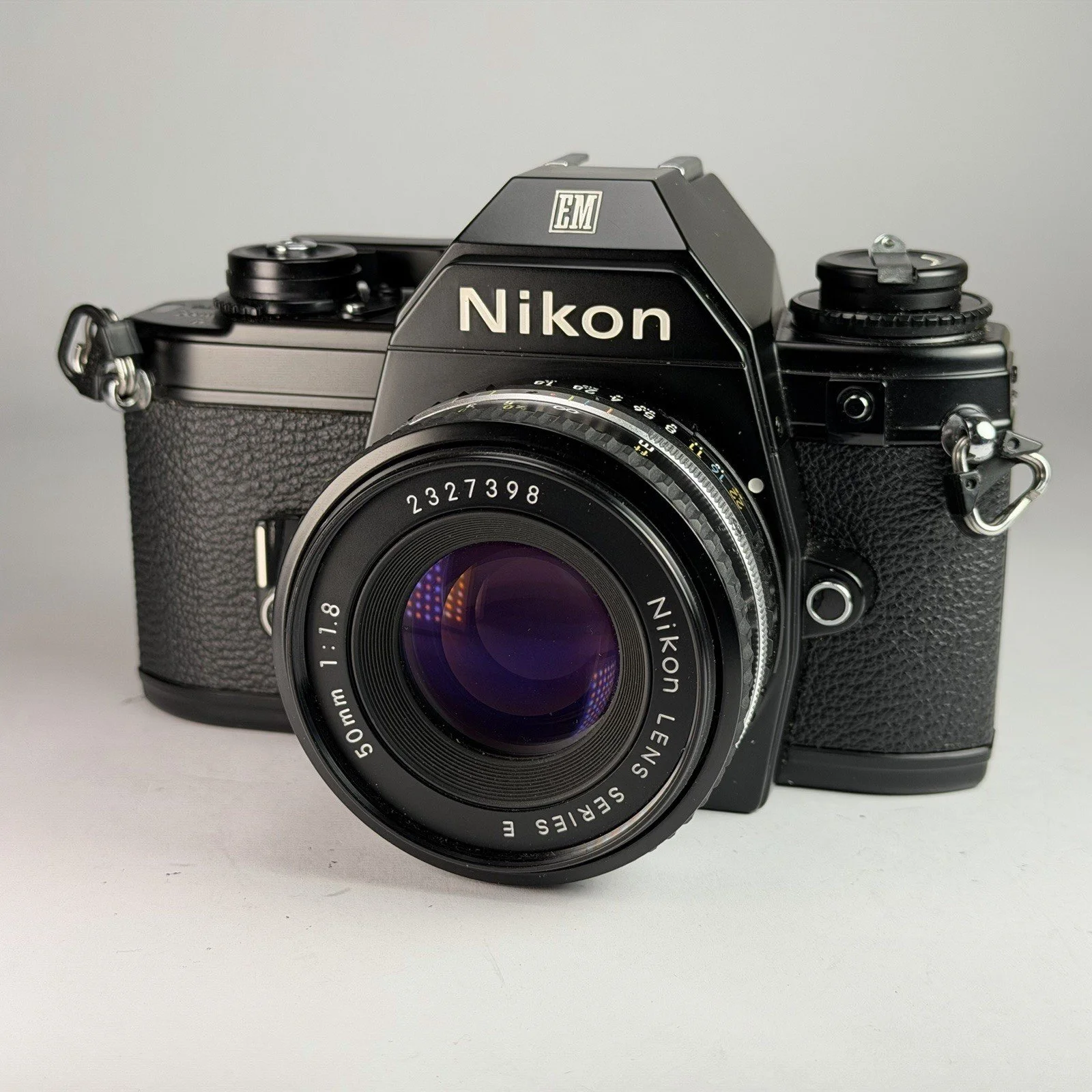
Eventually, I graduated to something a bit more mature with the second-hand purchase of my trusty Nikon EM in 1982. This was a 35mm SLR with aperture-priority metering. This meant that you couldn’t choose the shutter speed manually, so I quickly learned how to adapt to different shooting situations by changing aperture. I carried this thing everywhere, and it came to university with me. The 50mm lens was sharp, and I shot all sorts of film stock with it. It continued to be my shooting instrument until I started a part-time college course in 2002. I have no idea what happened to it, but just seeing a photo of the thing gives me a warm feeling.
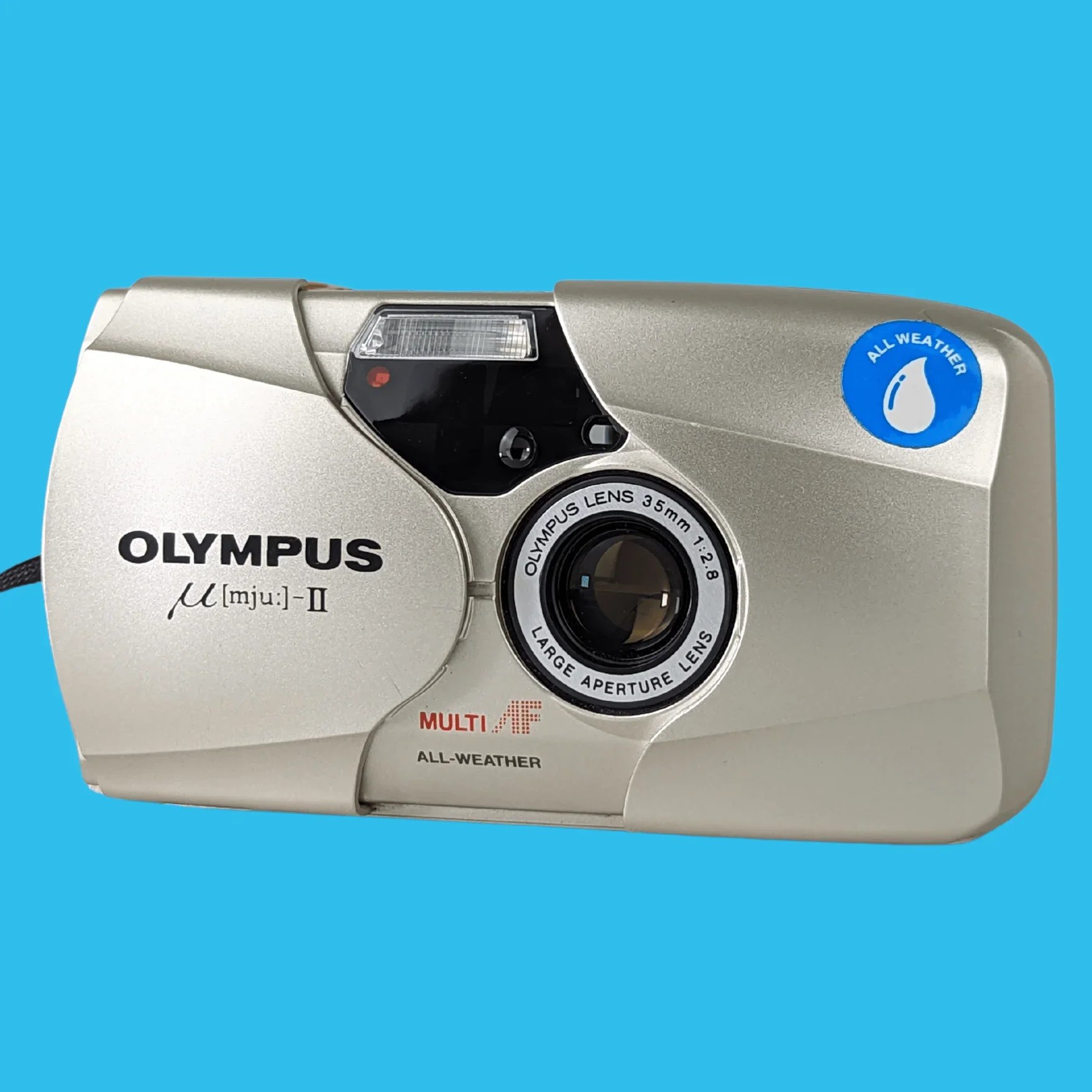
I bought this Olympus MJU-II from one of the electronic retailers on Tottenham Court Road when I lived in the capital. Carrying my Nikon everywhere was a bit cumbersome, so I could stick this into my rucksack and have a camera on-hand. It went on many foreign trips after that - including Australia, Thailand, Morocco, Tunisia, Jamaica, the USA, and Spain. The quality was ok, but it was a definite point and shoot thing with zero control. Did the job I guess.
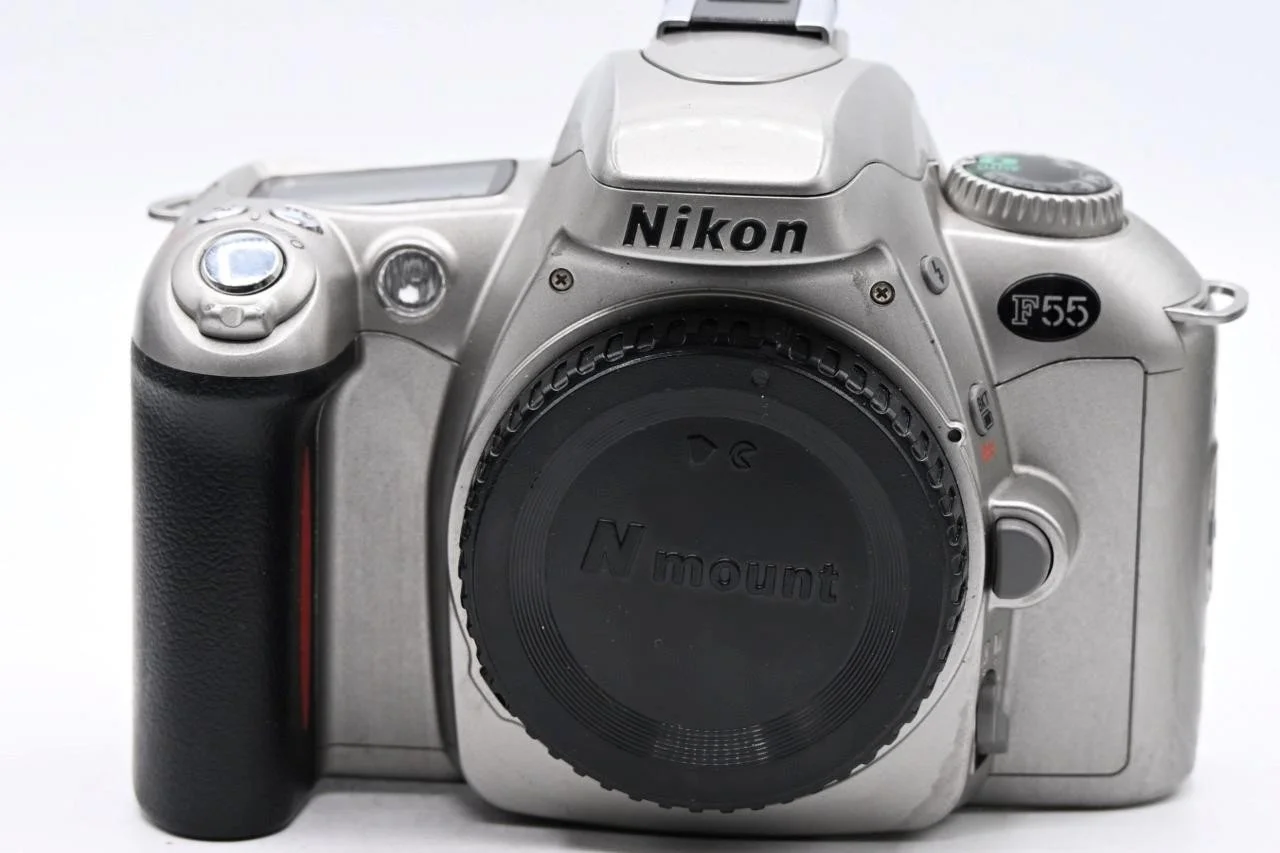
When I started my Saturday NCFE Photography course in 2002, I needed an inexpensive camera which was capable of basic shooting. I was aiming to get a place on the Foundation Degree at Newcastle College, and this Nikon F55 (N55 in the states) was within my very limited budget. It came with an 18-55mm kit lens,which was fine for my use. Importantly, it allowed me to use manual mode - giving me the ability to get creative.
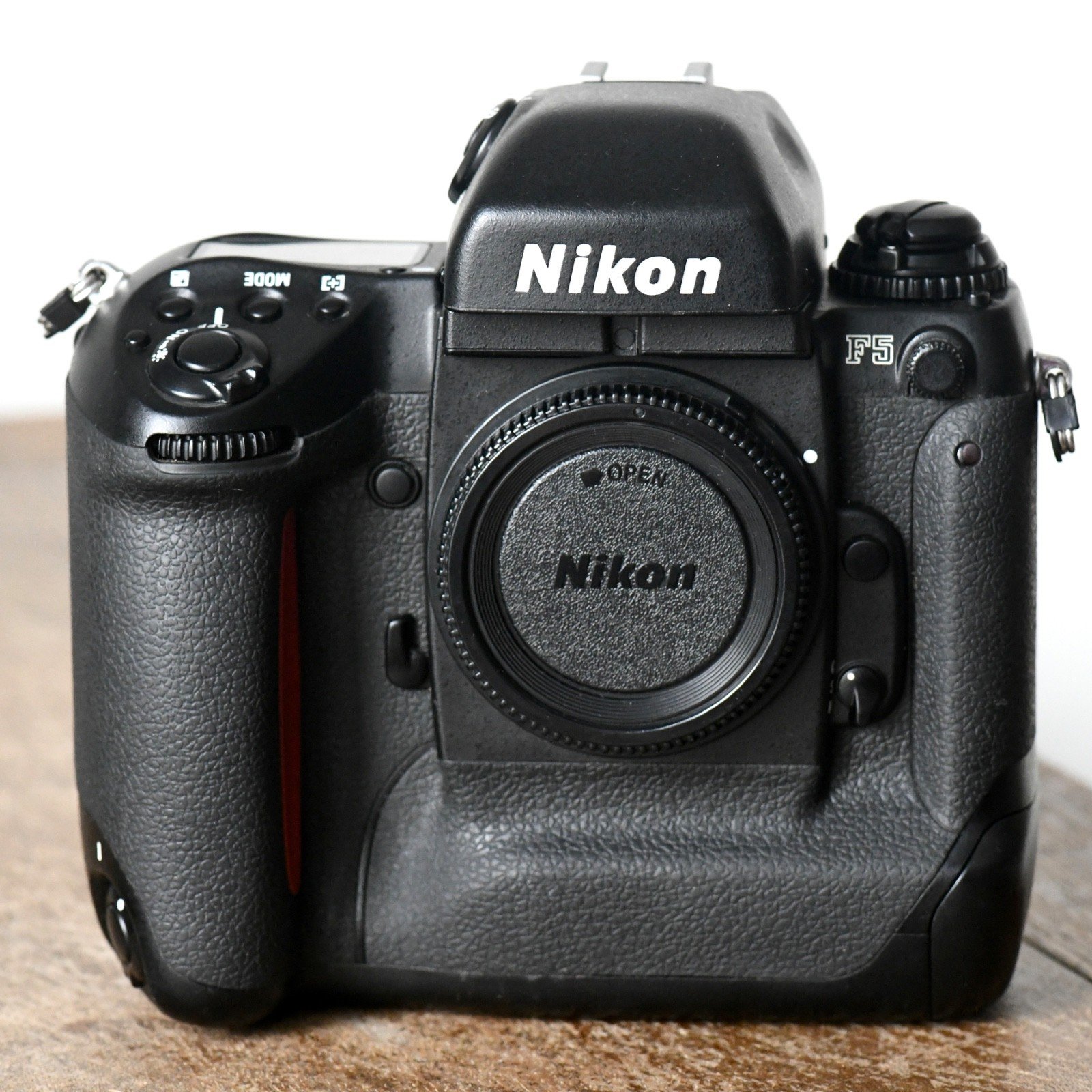
I managed to get onto the Foundation Degree course at Newcastle College in 2004, and it was clear that I needed to upgrade. The course was all film based, although digital work was quickly becoming the norm. I opted for a used Nikon F5, and a cheap 24-85mm Nikkor lens, and this stood me in good stead for the first year of the course. I started working for a local events photographer - shooting table groups at St.James’ Park at corporate events being held there. With a big Metz flash, I was bossing it. After a while though, it became apparent that digital capture was taking over, and I had to make a foray into the world of the DSLR.
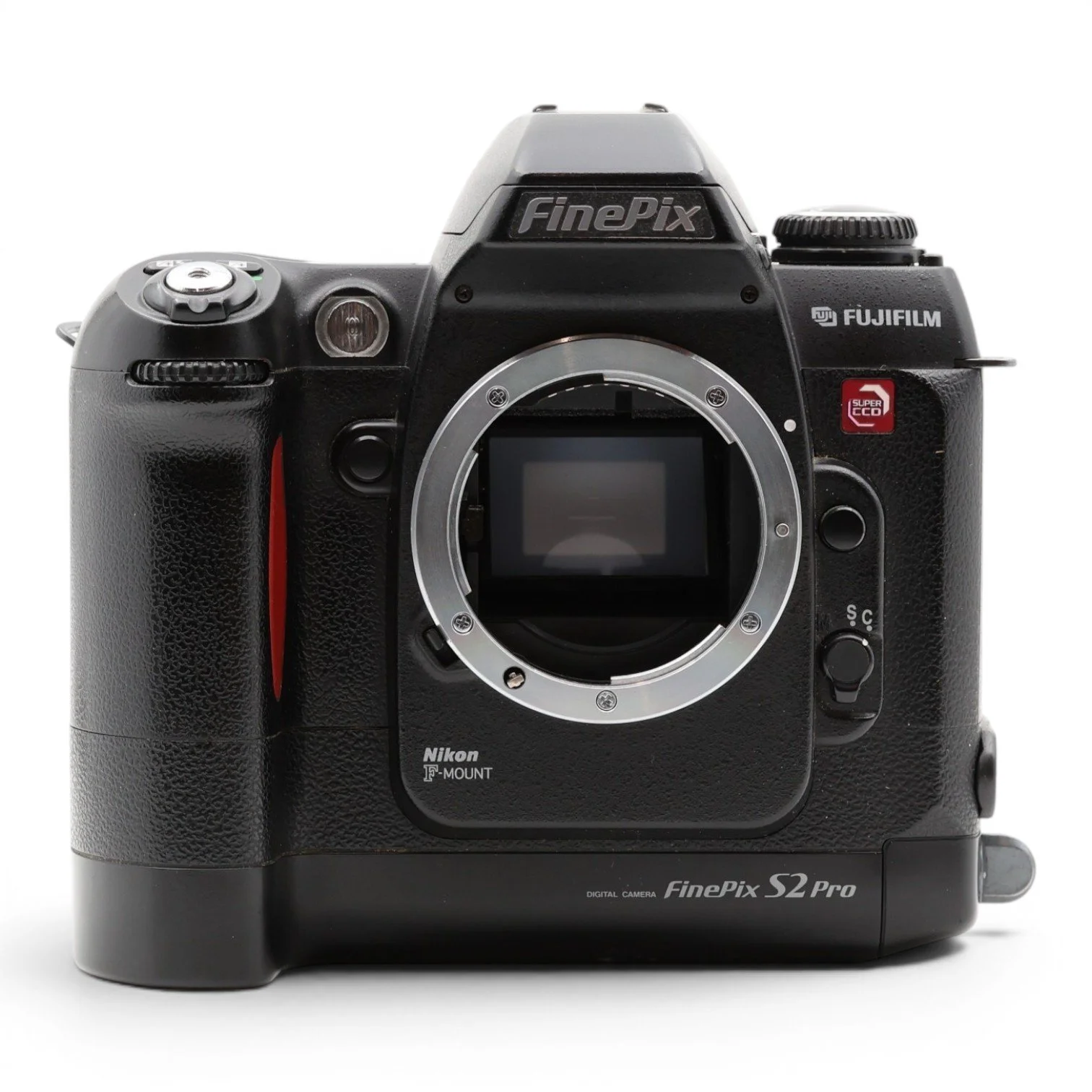
Enter the Fuji Finepix S2Pro - Another second hand camera. This was basically a modified Nikon D200 with a Fuji 6MP CCD sensor which interpolated the pixels to create a 12MP image. It was slow, and a bit rubbish at higher iso values, but the colours were superb, and it got its debut on a 40th birthday trip to New York City. I spent ages getting vibrant nightlife shots by shooting long exposures by standing the camera on trash bins. I used the 24-85mm lens with it, and everything looked great. The Fuji raw files didn’t do well with the early Adobe Lightroom versions though. I’ve actually considered buying one of these for posterity as they can be picked up for a couple of hundred quid. We’ll see.
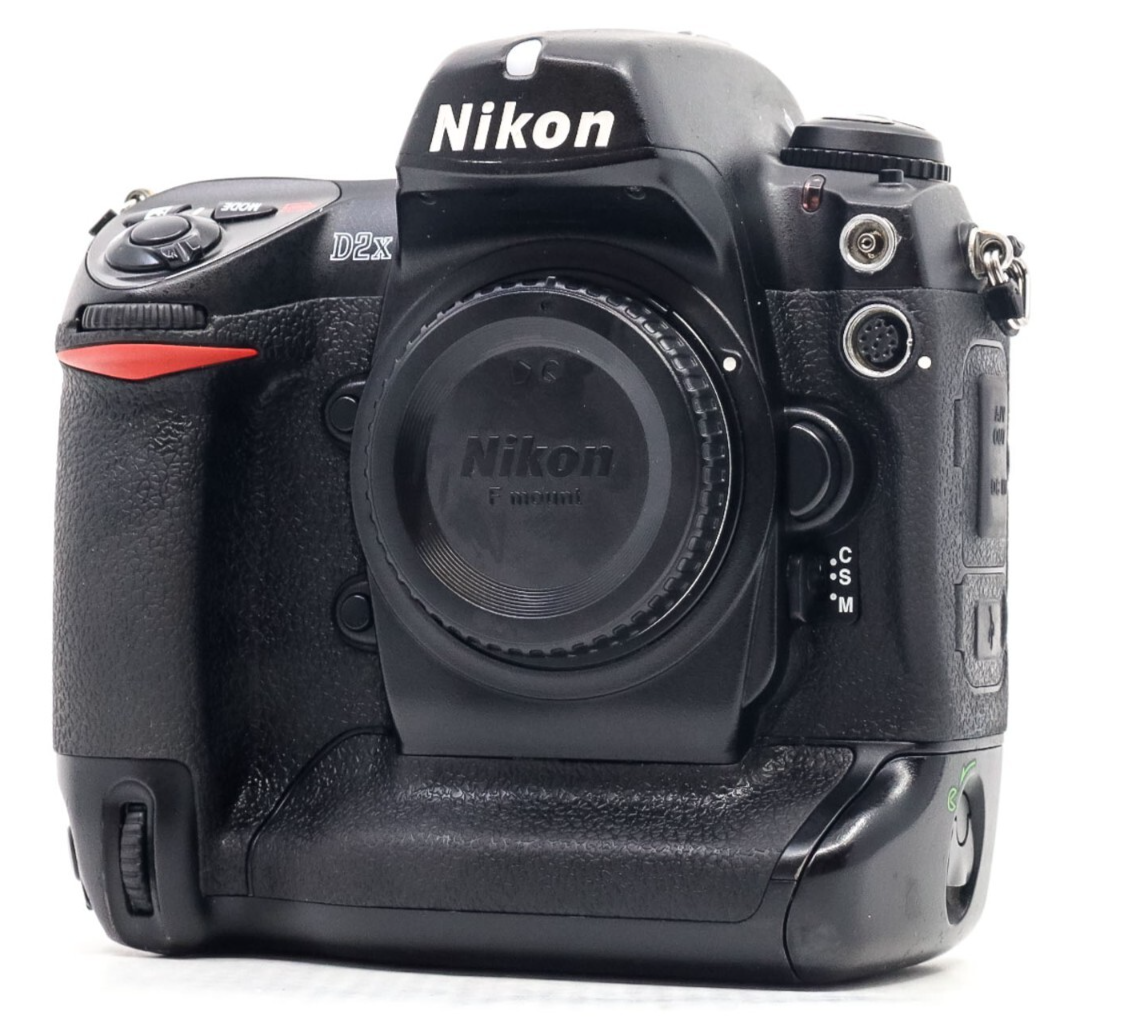
As my college career ended, and my working career began, I needed something robust and reliable for the press and PR commissions I was picking up. Being invested in the Nikon family, the professional D2X (used obviously) was the obvious choice. This bad-boy got me through the first couple of years of working. It was a 12MP tank, and I invested in some decent lenses and flashes to ensure I could handle anything.
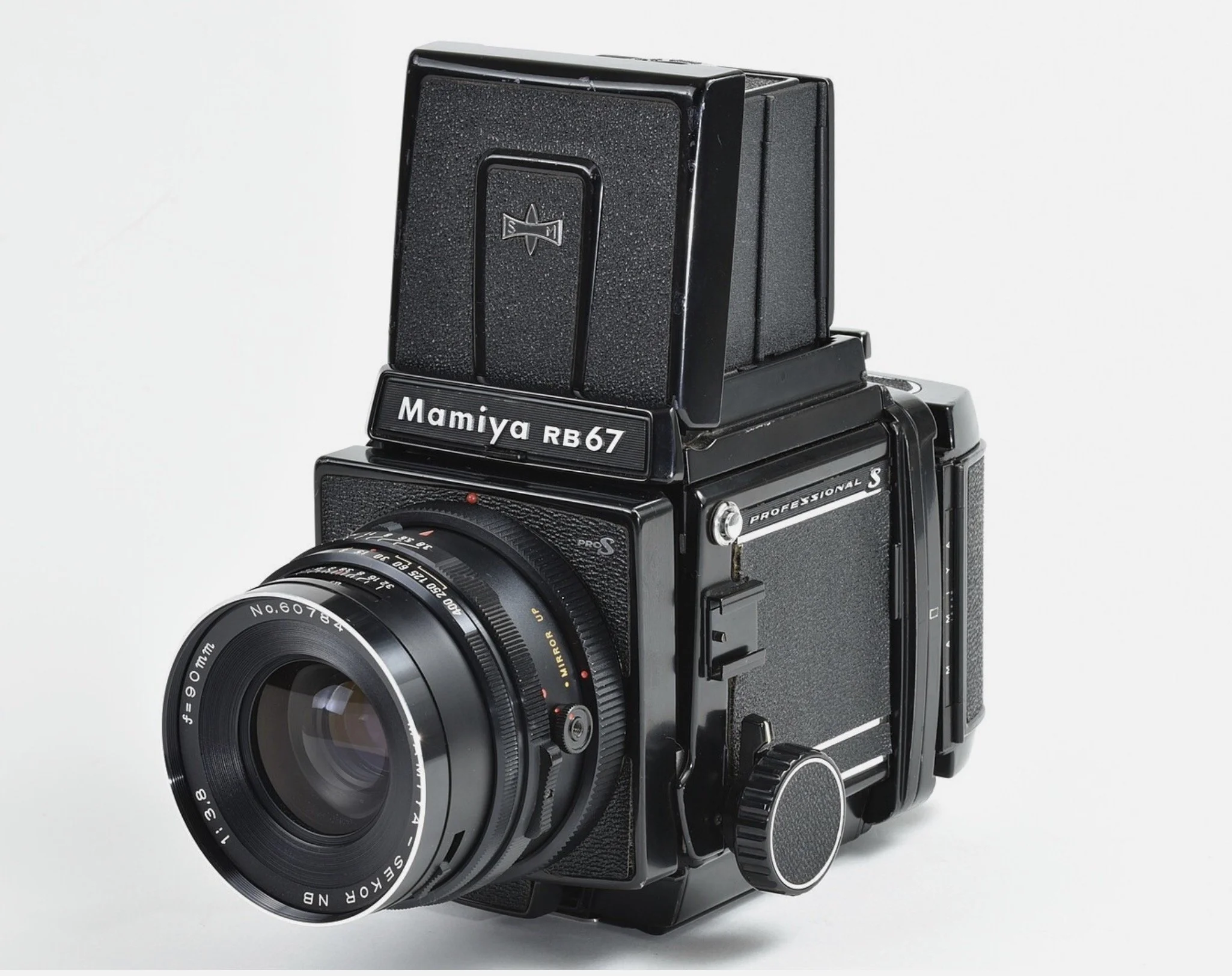
After college, I looked at the possibility of digital medium format, and apart from the ridiculously priced Hasselblads, there was only the Mamiya RZ67 which could take a digital back. I got onto Ebay, and found one which was within my price range. When it arrived, I realised that in my impatient state, I’d actually bought a RB67 - the predecessor to the RZ. A ridiculous and costly mistake on my part. I’d used these behemoths for many of the projects at college, and despite their versatility, they weren’t suitable for conversion to digital capture. I held onto it for a couple of weeks, and stuck it back on Ebay. Lesson learned? Not in a million years mate.
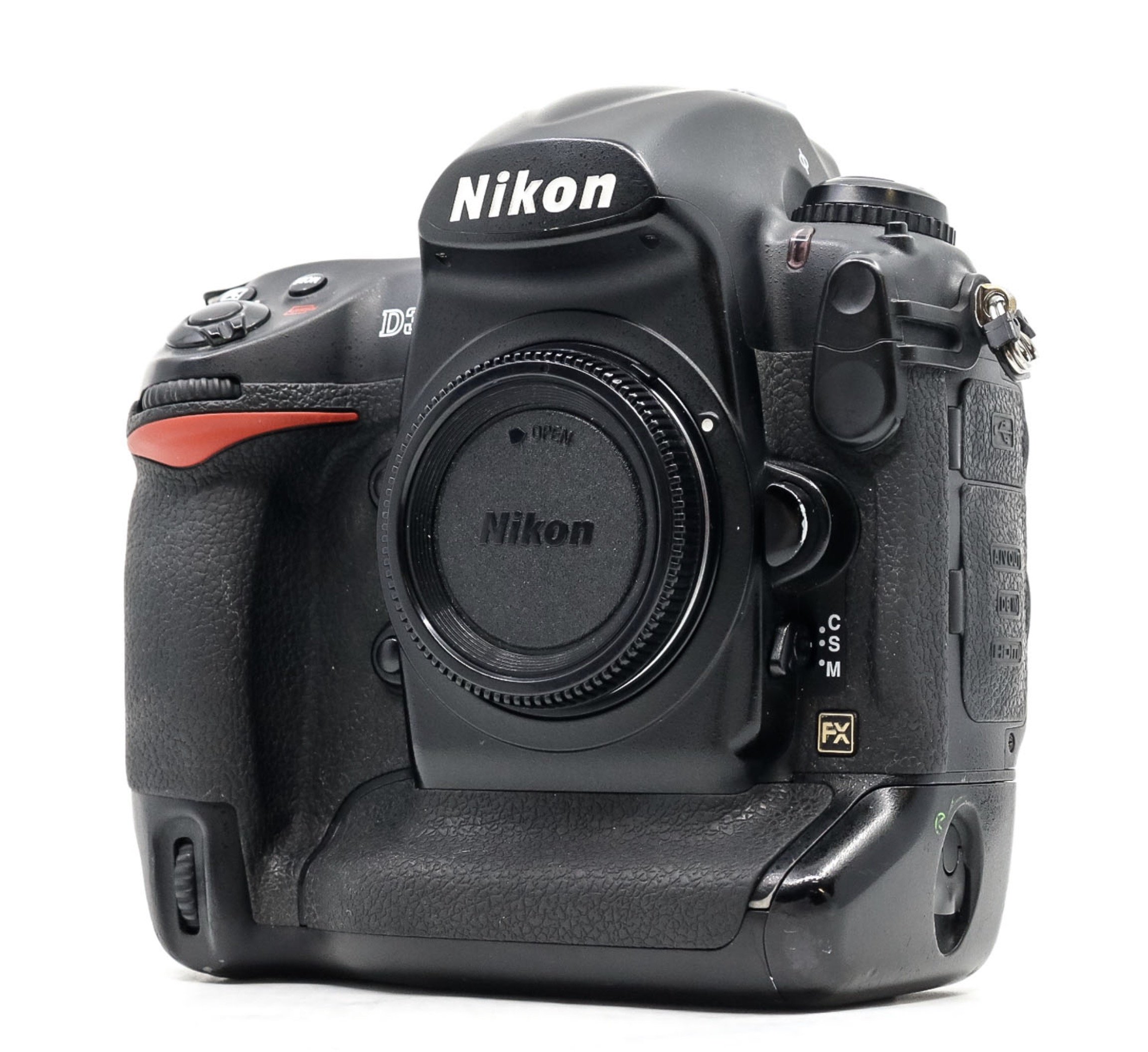
As the jobs became more involved, and my work with Barbour started to take off, I looked to get a backup camera, and a used Nikon D3 appeared in my cross-hairs. The image quality improvement was a leap from that of the D2X, despite it still being a 12Mp sensor. This camera’s colours just looked way better, and it became my workhorse - capturing thousands of raw files of clothing in the few years that followed. I still had a few press jobs, and started shooting basic real estate for an online estate agency. It handled everything without question. It was used daily for about 14 years until its’ demise recently. It still sits in the kit cupboard with a collapsed mirror - waiting for me to spend more than it’s value on repairing it. We will see.
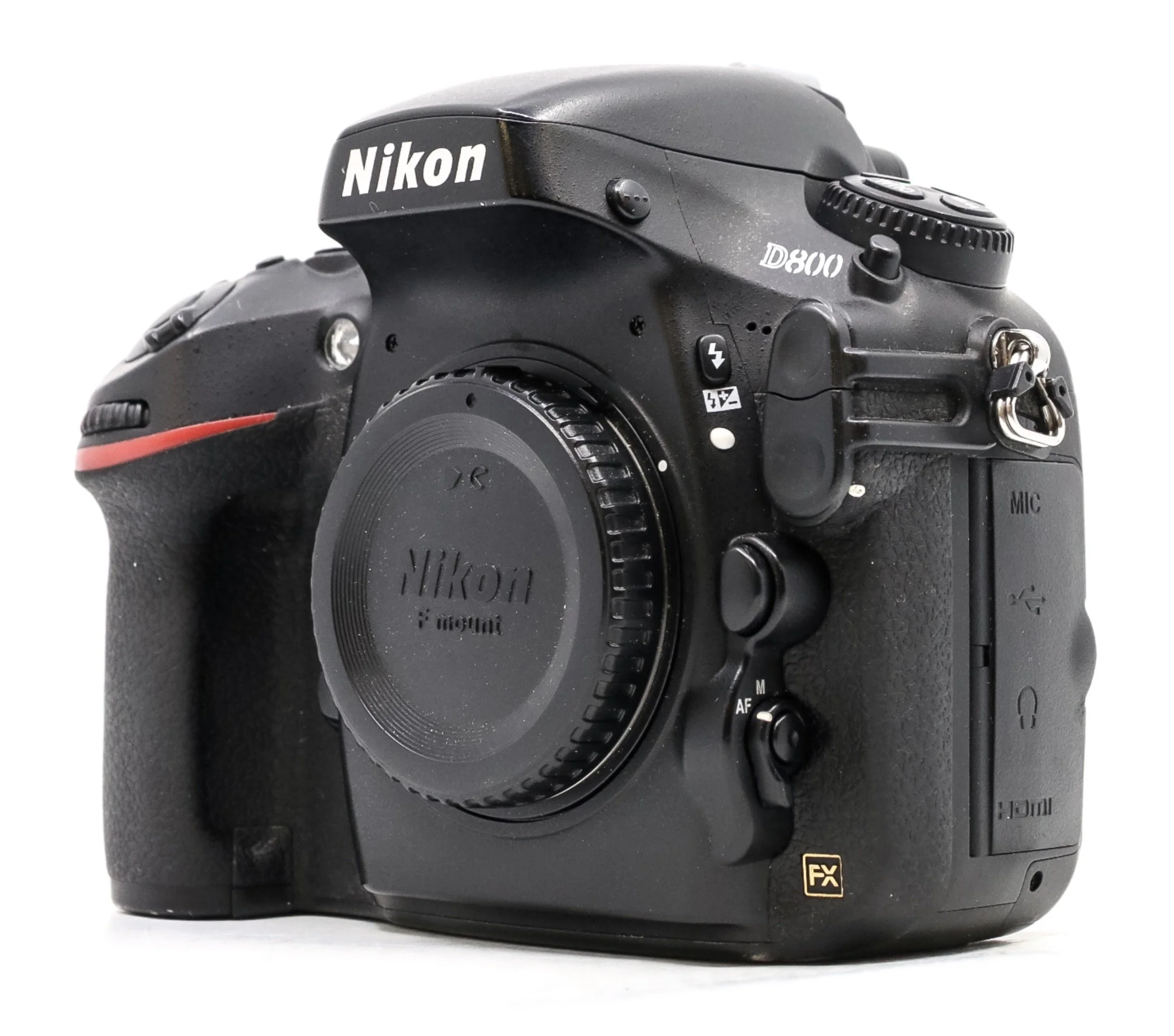
As I started shooting advertising campaigns for Barbour, it was clear that a 12MP camera wasn’t producing adequate quality for billboard-size output. They were more than happy with the results, but I could see deficiencies. I got the 36MP Nikon D800 to accommodate these campaigns. At this time, they started using a guy for the higher end work who was a friend of the marketing director, and they began to treat me like a spare part despite my loyalty and proficiency. This guy was using old Canon equipment, and at one campaign launch, our poster-sized output was up on the wall side by side. His was blurry, and mine was sharp and detailed even at close range. Nobody cared. I used the D800 for work that required detail right up until a couple of years ago. The USB port was so worn from tethering, that I had to use a “Lockport” adapter to fix the USB cable to the camera body.
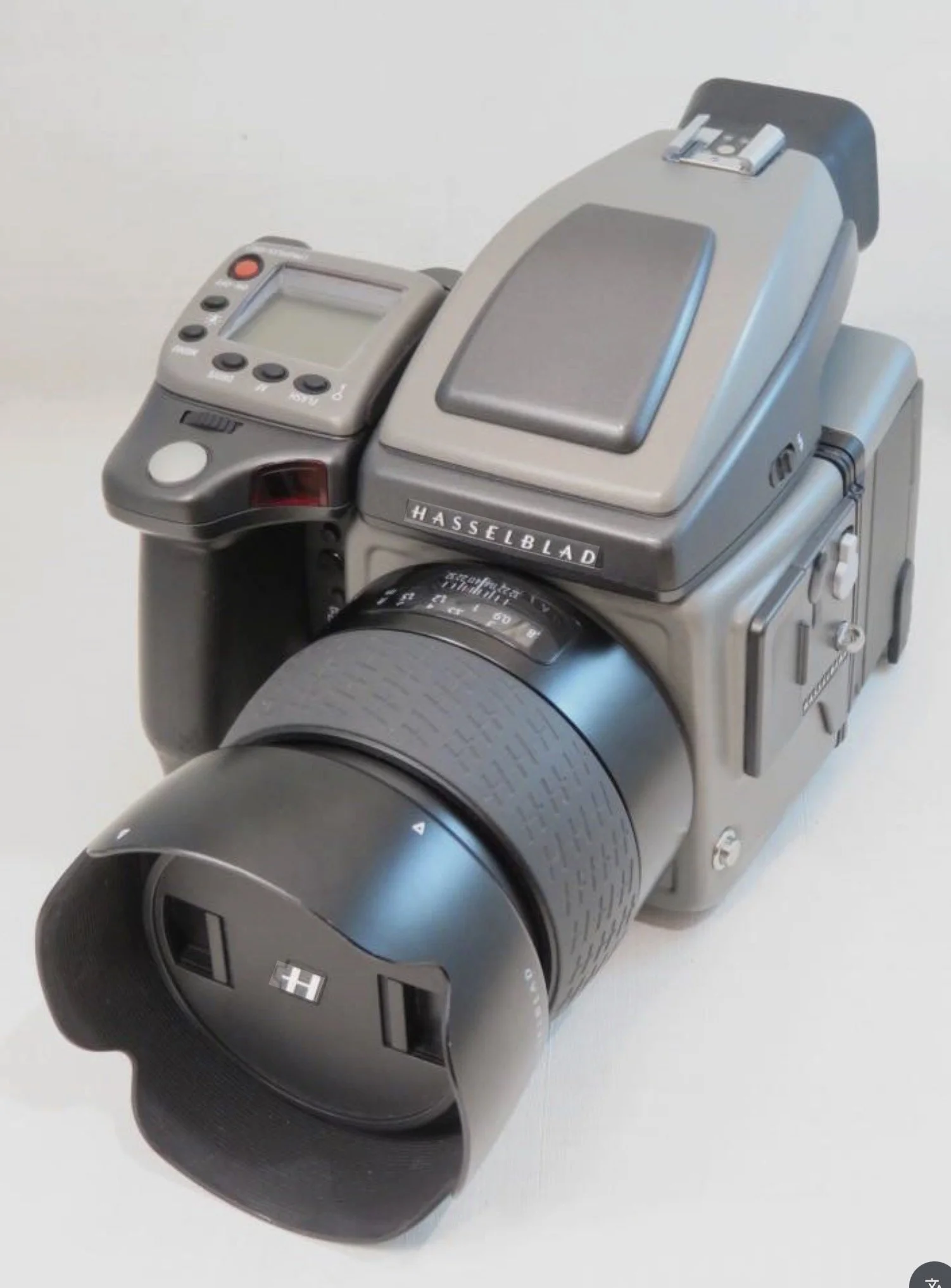
The beautiful Hasselblad H1 and 80mm lens. I bought this from an old guy in Haltwhistle with a view to using it for personal work. It’s a 6×4.5 cm medium format film camera with a removeable back. It looked the business, but never had a roll of film put into it. I kept it in my gear cupboard for a bit, realised I’d never use it, and sold it on Ebay for the purchase price.
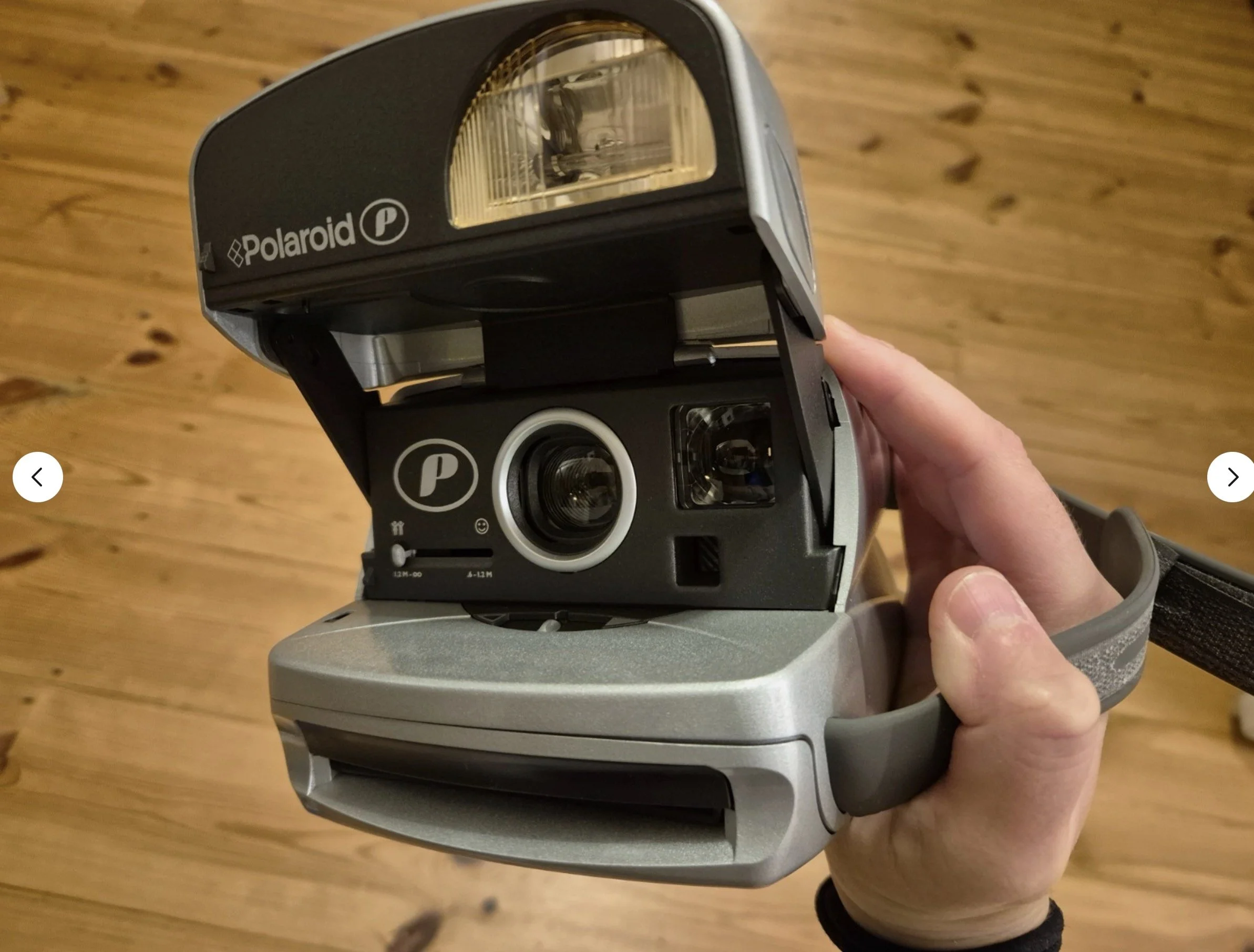
Polaroid cameras are great. Fuji Instax are the new, cool instant cameras to use, but this Polaroid 600 was excellent for fun shoots. the film was expensive, and the camera itself was a huge chunk of plastic with a hand strap, but it was good to have some fun with. It went into the bin eventually having died of internal corrosion.
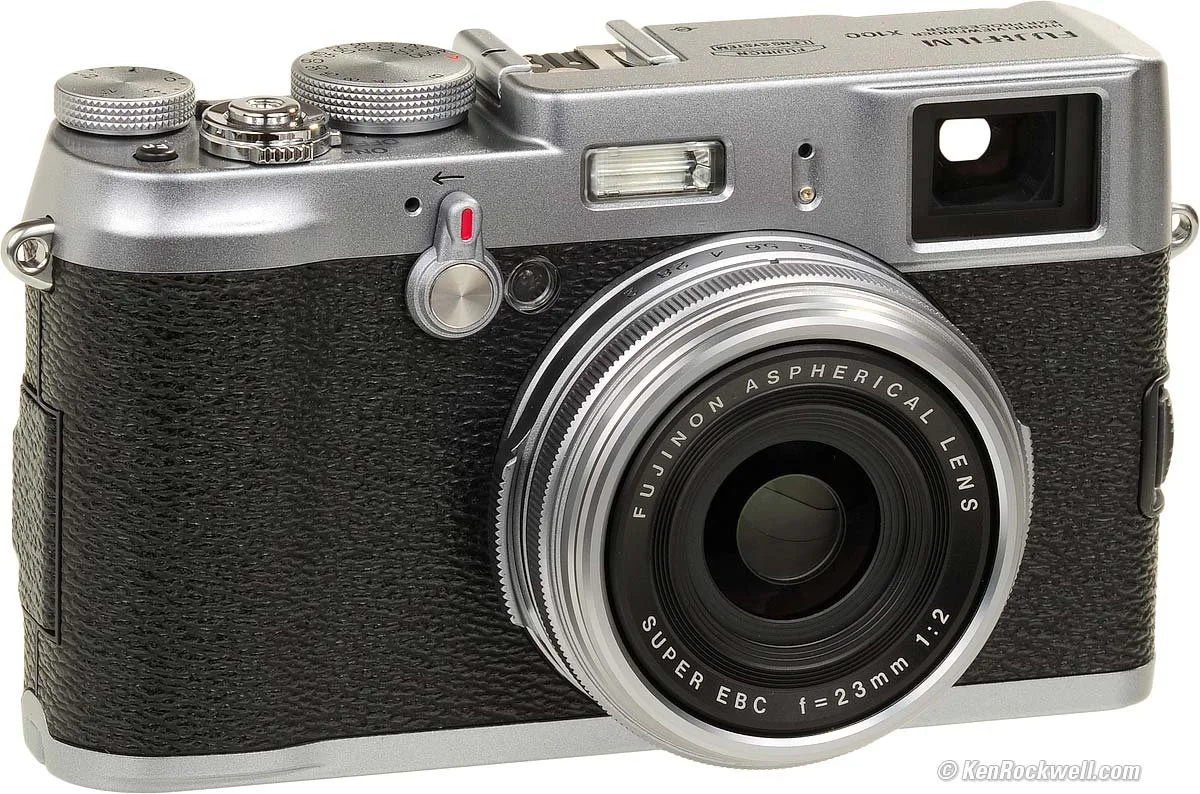
Sometimes, you need something that bucks the trend. The original Fuji X100 was one of those cameras. It was a 12mp digital rangefinder with a fixed 23mm lens - that’s about a 35mm equivalent on a full-frame DSLR. You could use either the rubbish digital viewfinder, or opt to use the optical rangefinder - which I usually did. The dials were manual, and you needed to have an idea of what you were doing when using it. I got this as my carry-round camera, and used it extensively on family trips, and during a trip to Hong Kong back in the day. It was fast, handy, produced lovely Fuji colours, and I loved the thing. I only sold it to be able to fund the next camera on my list.
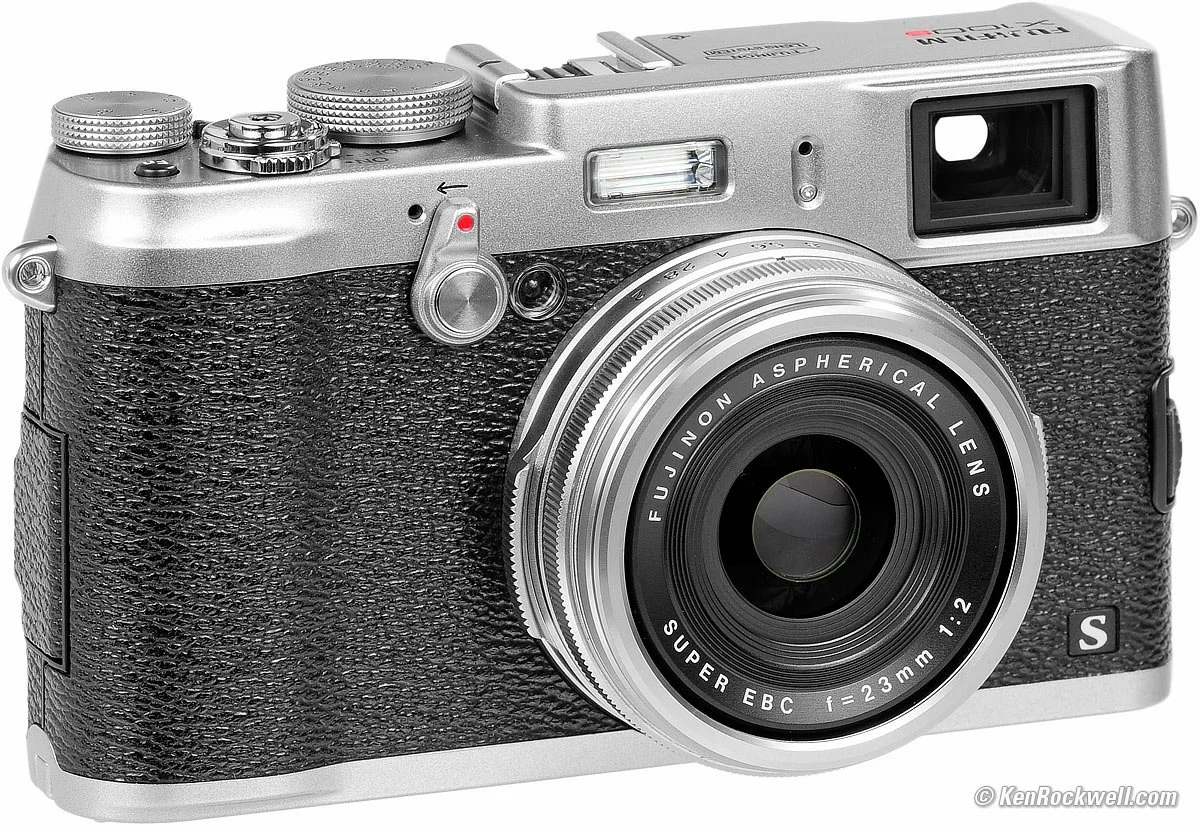
The Fuji X100s - the second generation of the great X100 series (now in it’s 6th generation). It was basically the same camera, but had 16mp, an improved viewfinder, and the ability to add a lens converter which made it slightly tighter. It just made the original camera better. The newest model shoots 40mp frames, has shake reduction, and shoots 4K video. It’s also unavailable, and best part of two grand.
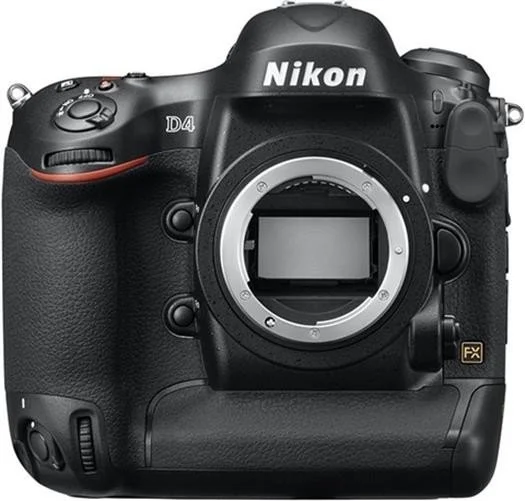
The 16mp Nikon D4 is alive and well to this day. It’s used as a backup camera, and sits in my case with a 24-70mm lens attached for external scenes. With about 750,000 captures, the shutter is approaching end of life, but I hope that this camera body outlives me. It has served me for something like 15 years without fail. It has shot clothes, press, property galore, and been in my arsenal every day through rain and shine. It has been used as a hammer once or twice, and just goes on and on. A superb piece of engineering.
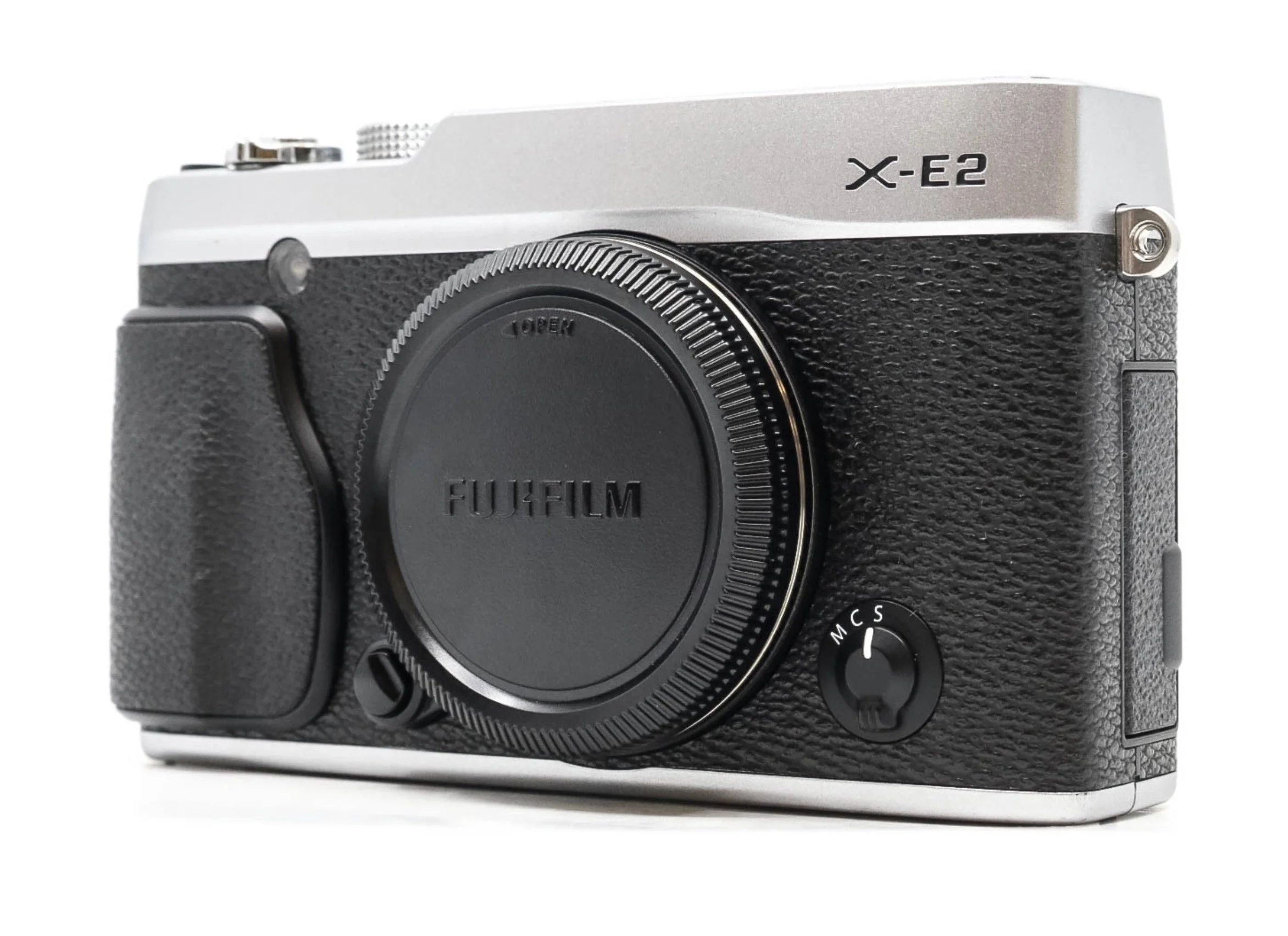
I got the Fuji X-E2 used after having a hernia operation years ago. I was unable to hump my case around, so decided to buy this plus a couple of lenses to do my property shoots before I hit the “big time”. It was similar to my X100, but without the rangefinder. Once I’d recovered, it got relegated to doing aerial shots on the end of a huge painters pole. Using the Fuji remote software was a nightmare, and once the drone appeared, it was made redundant except for family holidays etc. I gifted it to my daughter for her GCSE photography course, and it now sits in my camera cupboard ready for her to take away to university in September.
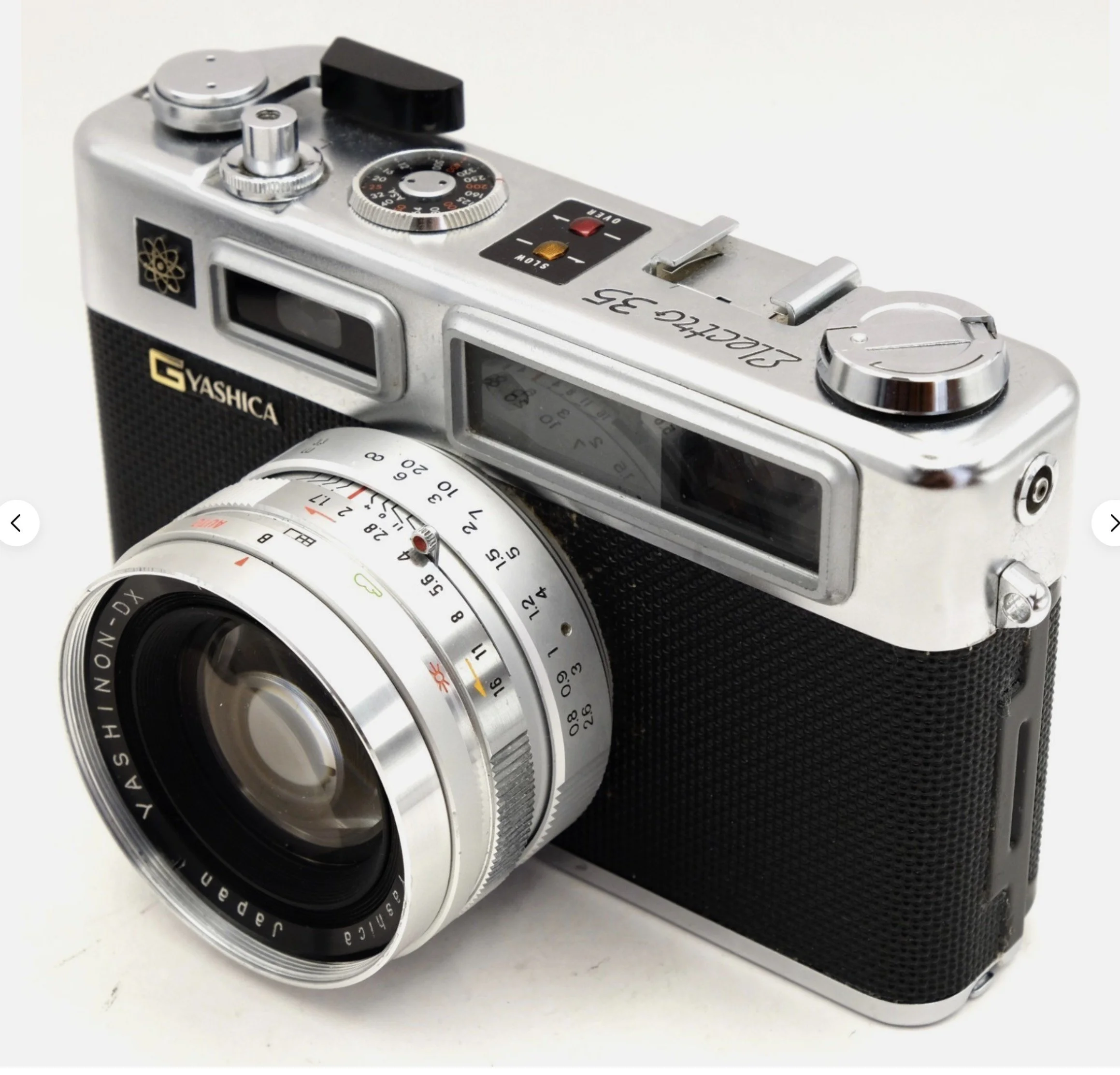
I got the Yashica G-Electra 35 for my 50th birthday. My wife found it for £10 in a charity shop, and brought it home. When I got it, there was no power, so I had to source a battery that cost twice the camera price from a specialist who made them especially. This was the first 35mm rangefinder camera with electronics, and had basic functions including a rudimentary exposure meter. I’ve still got it in the cupboard, but can’t face looking for more batteries.
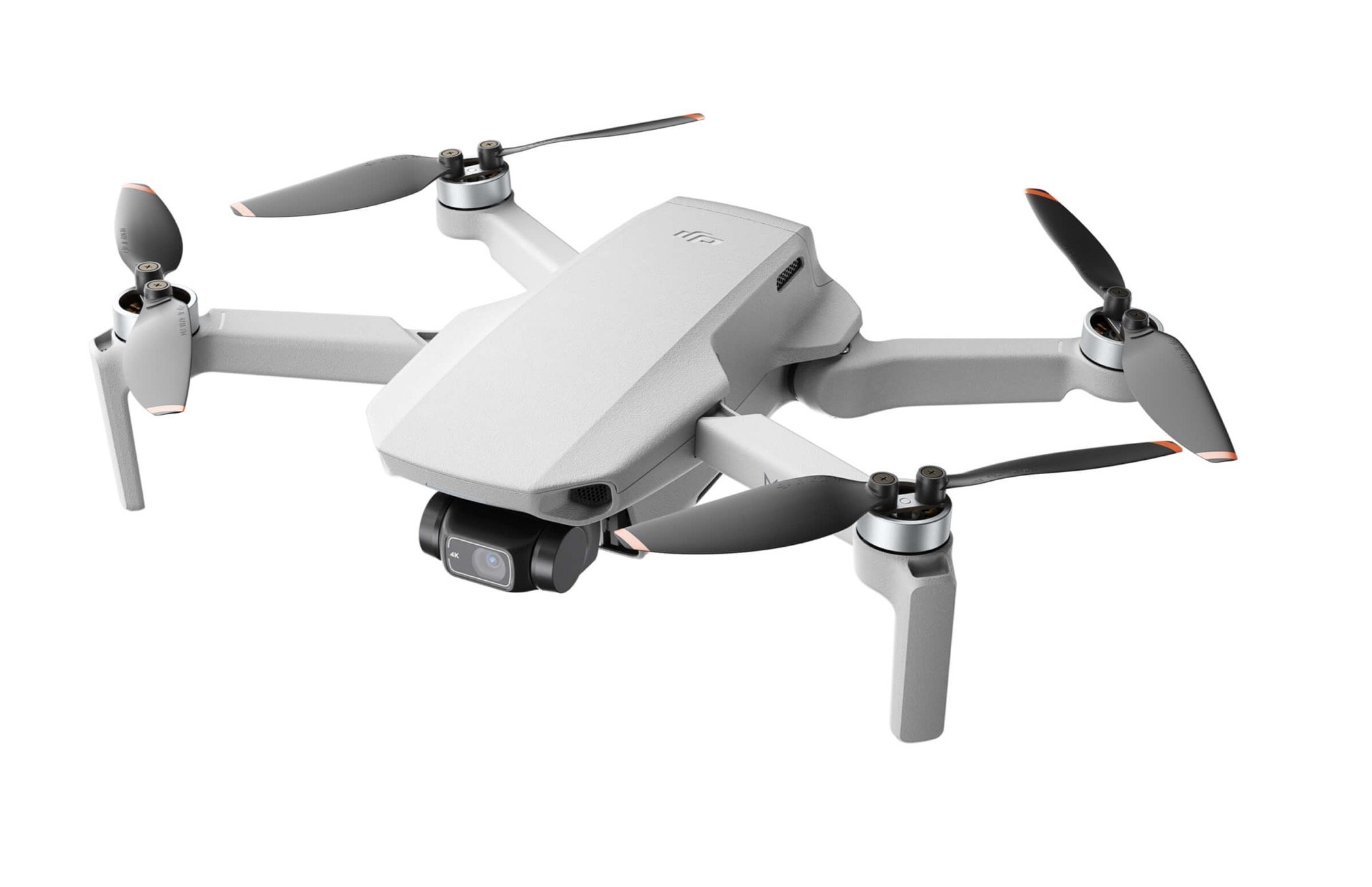
I was forced into buying a drone after years of refusal. My first one was the DJI Mini 2. It shot video and stills, but the video was all landscape orientation, and so pretty useless to every estate agent in the land. I’ve still got it as a backup unit. The first one was destroyed when I crashed into a tree while attempting a stupid manoeuvre at the request/demand of one of the estate agents who had seen it on Instagram or something.
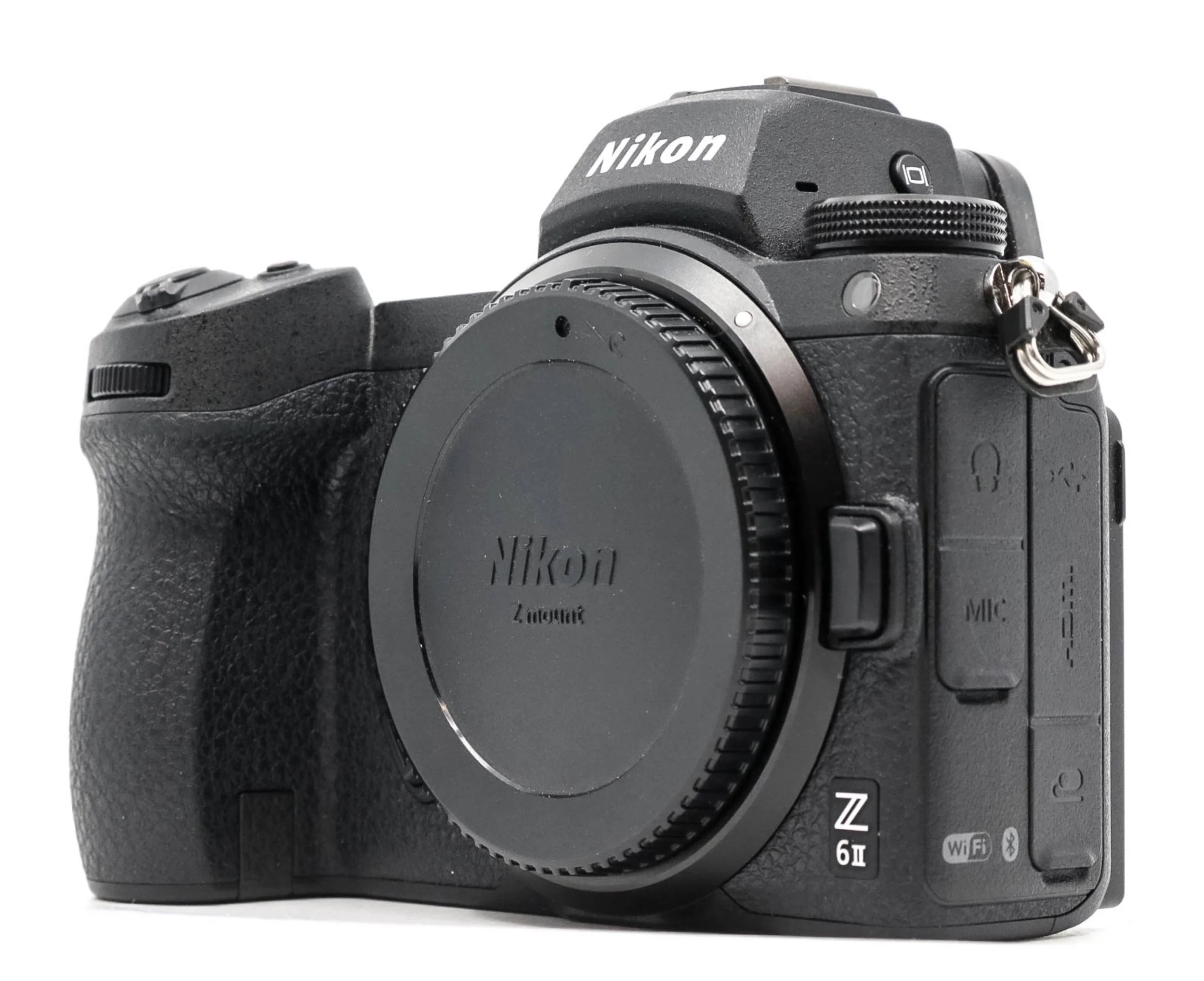
A few years ago, I got into video for real estate in a serious way. I invested in a Nikon Z6ii body, and some lenses to accommodate the discipline of moving images. A prominent holiday-let agency wanted cinematic videos for their website, and I got well into the technical aspects of it all. 4K capture at 60fps, lighting, software learning curve - the lot.
Unfortunately, when they got the small invoice for the movies which took me an age to shoot and edit, they went right off the boil, and it all ground to a halt. Measuring white balance in every room, shooting in LOG format, and colour grading everything was a royal pain in the neck, and all everybody wants is some TikTok style crap with stupid speed ramps for £10. I dumped the gear after some terrible experiences with vignetting, and changed to a DJI Osmo Pocket 3 camera which I now use several times a day. The results are great, and it allows me to provide quick, cheap videos for social media use.
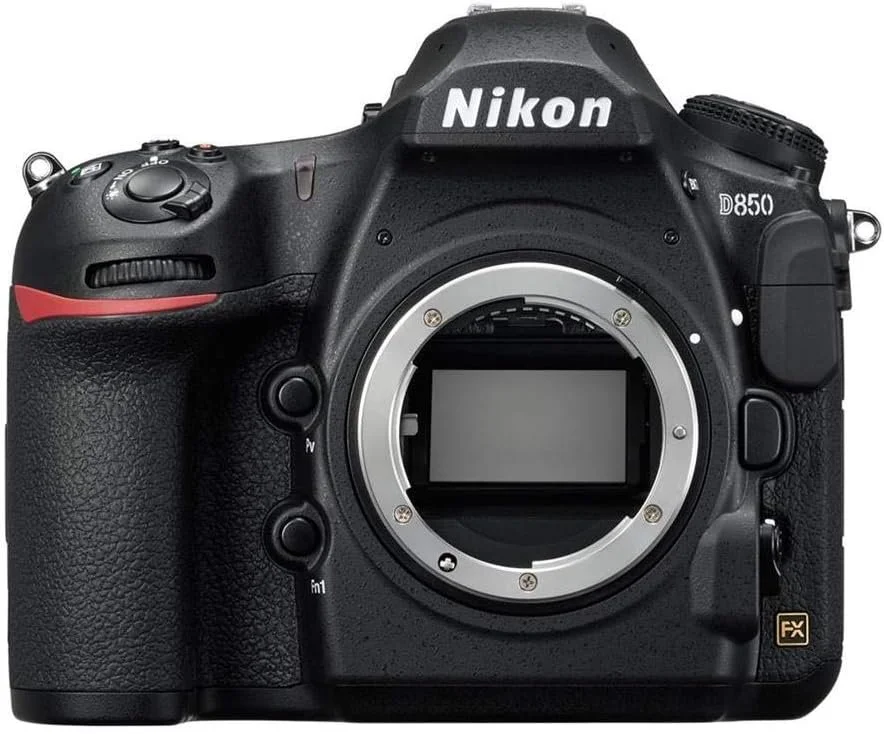
My workhorse camera. I bought it used, and it is my everyday shooting camera for real estate and commercial work. It has 3 RAW size settings, so I can use the smallest (11mp) to keep file sizes down, then ramp it up to the 24 or 45mp for anything that needs a bit of oomph or that requires printing.
I’ll keep this going until it dies, then grab another one at a bargain price. The whole world is constantly upgrading to the latest mirrorless gear, so these cameras - regarded as the best DSLR ever made - will remain on the second hand shelves waiting to be snapped up. All my lenses can be used on this bad boy, so it will continue to serve into the 2030’s.
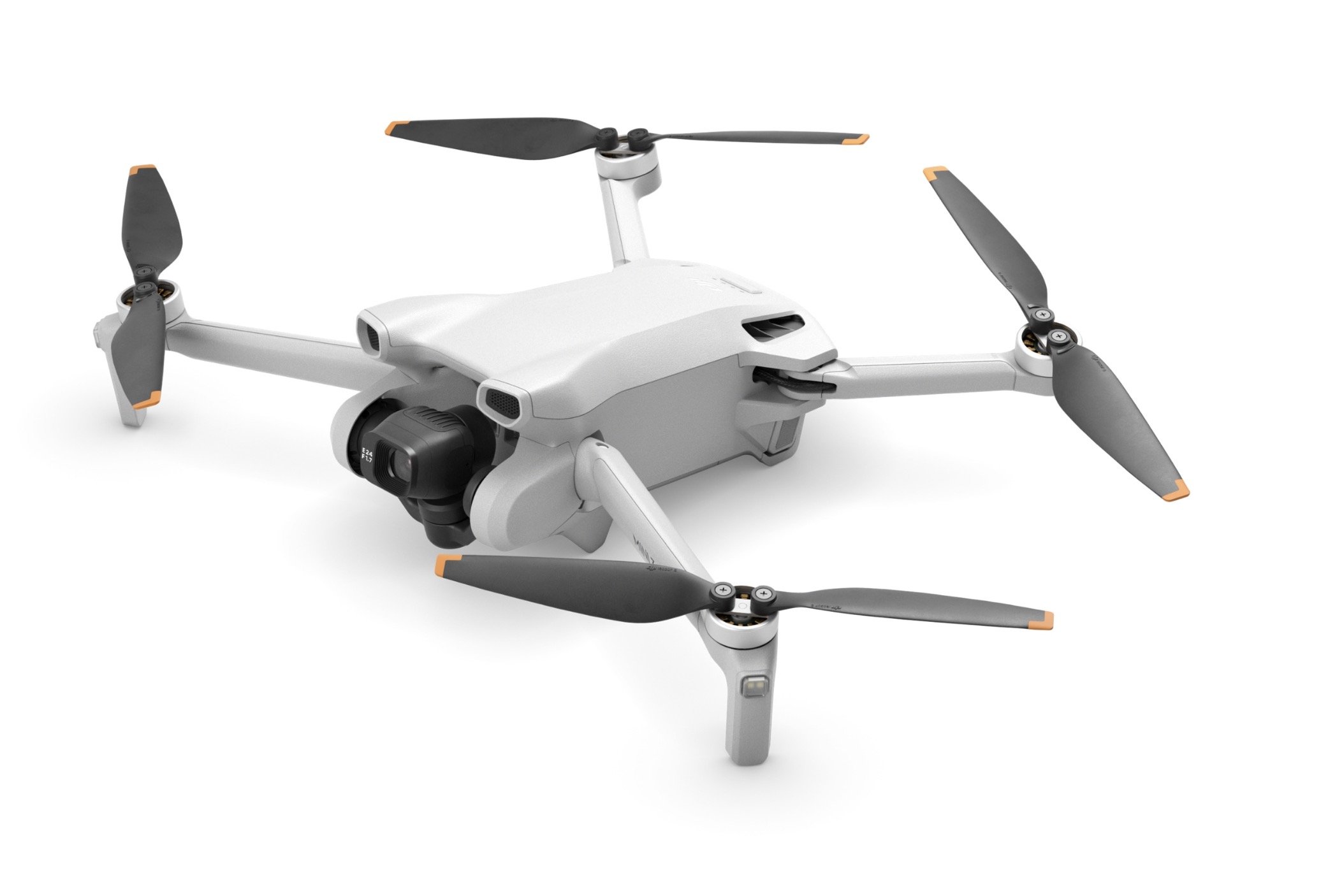
I had to upgrade my drone due to the demand for vertical video on social media sites. This is the DJI Mini 4. My model is the Mini 4 Pro, but there are zero pictures of it anywhere which is bizarre. To be fair, this model was a massive improvement on the old Mini 2. It’s in the boot of the car permanently, and has never failed to get the shot. I don’t fly it in very windy or rainy weather, but it’s been great.
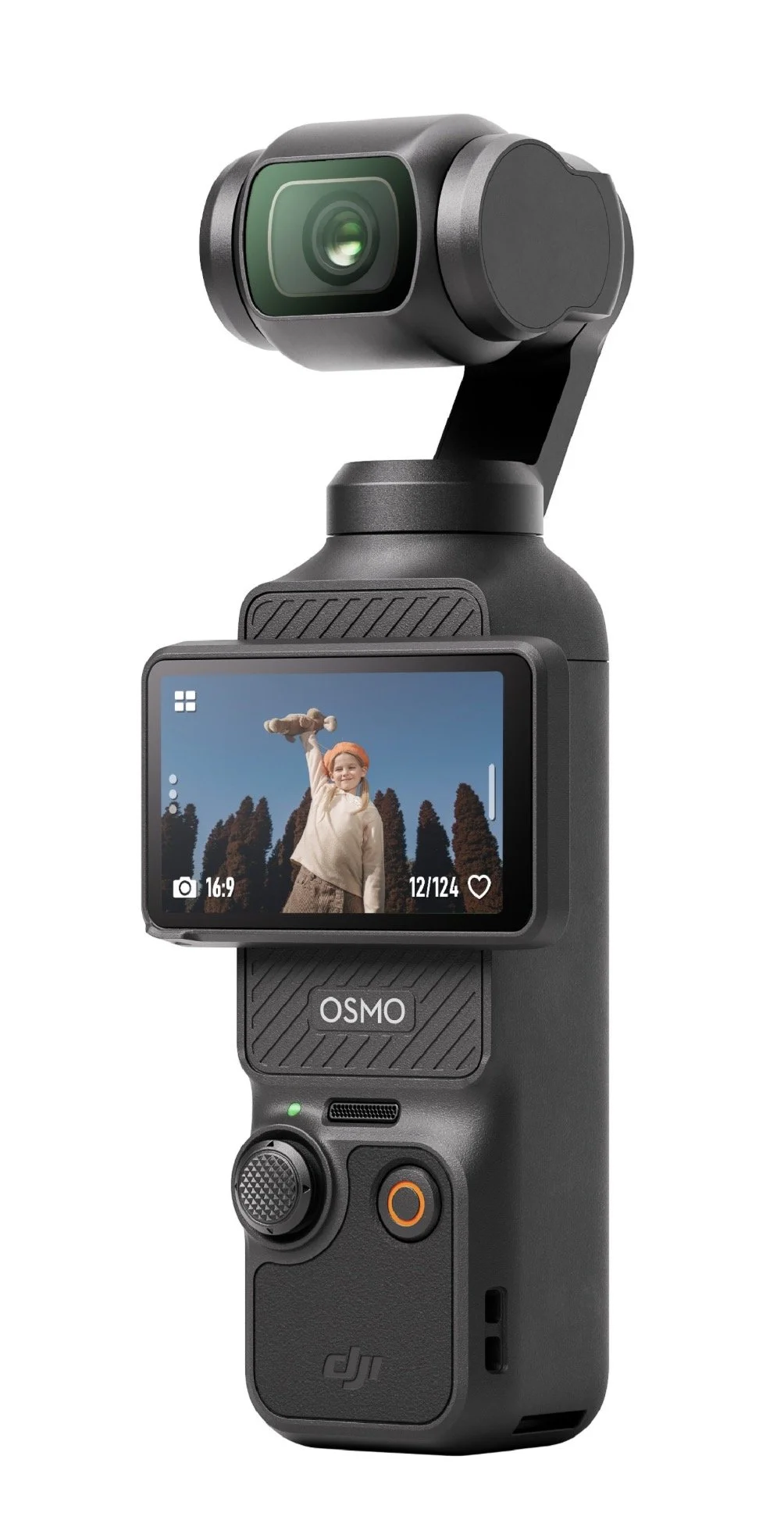
The DJI Osmo Pocket 3 is a powerhouse of a camera. It shoots stills, video in landscape and portrait, slow-motion, and low light. It’s my go-to instrument for the daily social media videos I shoot, and with the addition of a wide-angle lens adapter, it can do everything that my old Nikon Z6ii was capable of, but without the hassle. The colour straight out of the camera is fine for Instagram use, and I’ve used it for narrated tours on some of the mansion properties by pairing it with the DJI radio mic. It travels with me everywhere.
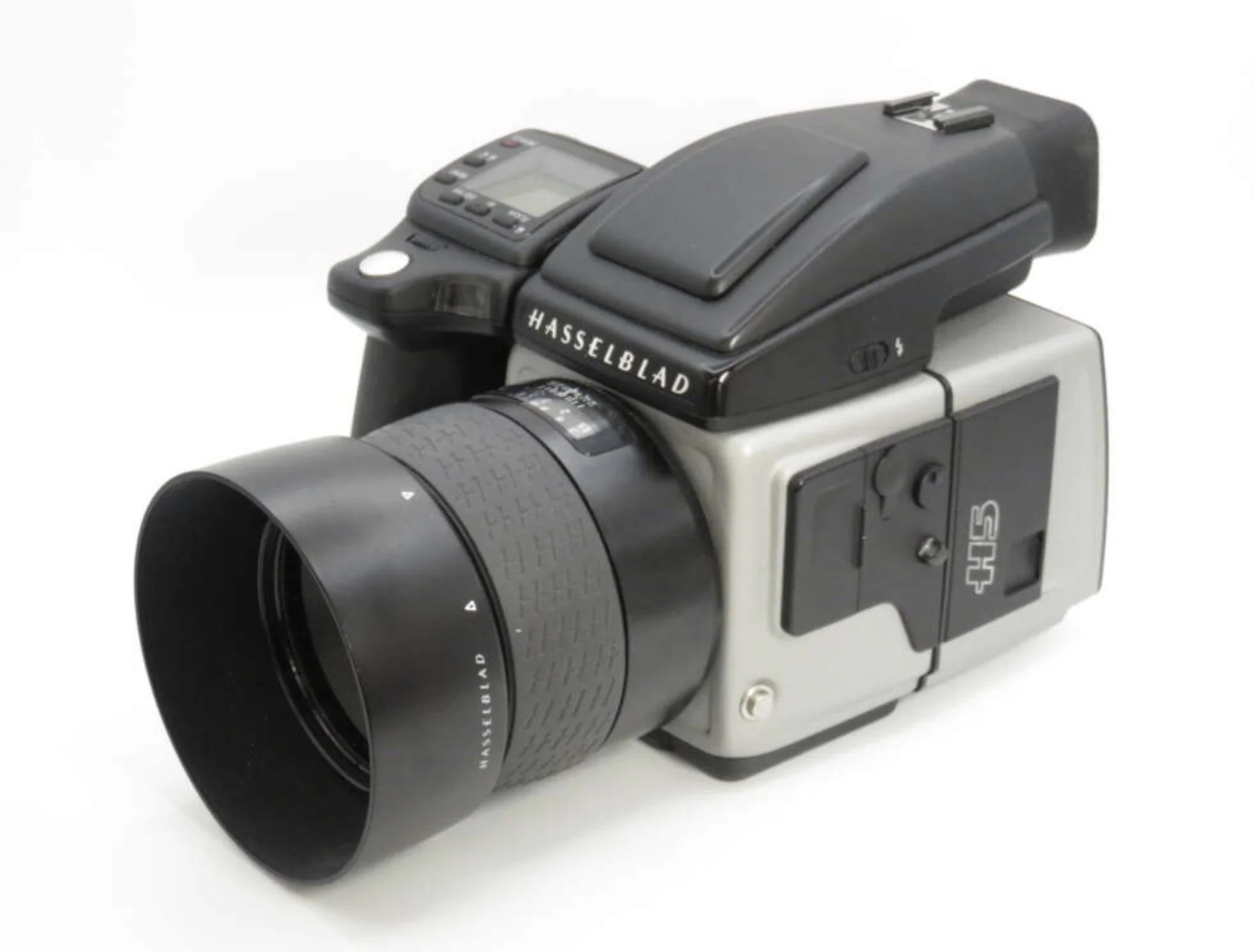
My 60th birthday was marked by a bit of selfish purchasing - namely a very expensive tent, and this behemoth, plus a couple of heavy lenses. The Hasselblad H5D-40 was a 40mp medium format giant with a fantastic CCD sensor. Unfortunately, it completely conked out after a few weeks, and had to be returned for a full refund. I decided to keep the lenses, and upgrade the camera, but then discovered that the batteries were basically unavailable except in the eBay jungle at £500+ each. The lenses soon became unsaleable as well, so i’m stuck with them to this day.
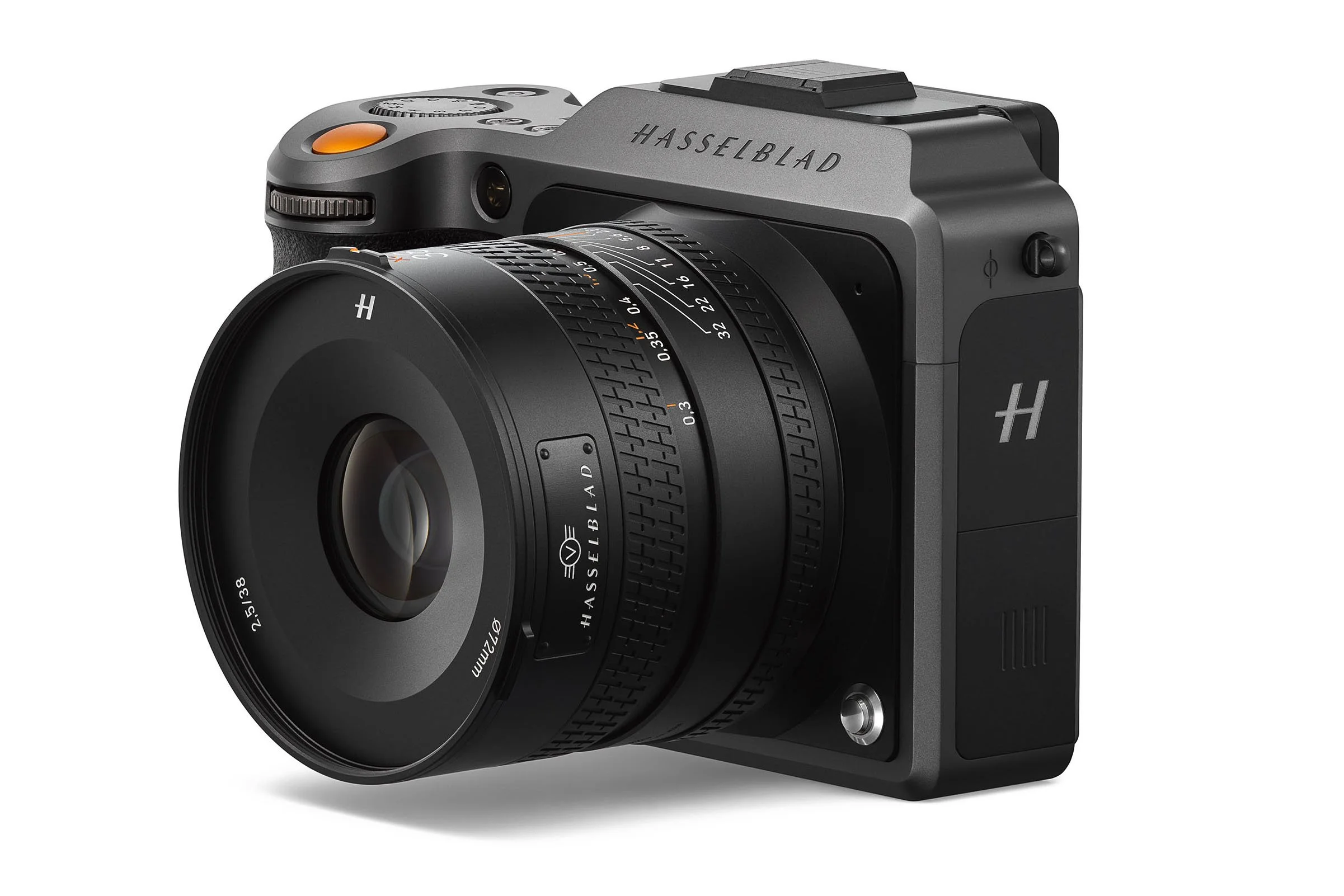
And finally……….I’m guessing this won’t be my last camera body, but it’s certainly been the most troubled. The Hasselblad X1Dii-50c is a digital, medium format body with a 50mp CMOS sensor. I bought it used from a reputable retailer for just under three grand, and didn’t start using it straight away. The 6 month warranty period lapsed, and I started taking it on trips plus the odd job. It started crashing immediately. Those of you who follow the blog will know about my difficulties which seem to be a combination of having bought scam memory cards, and an electronic issue with one of the internal SD card readers. I’ve started using it with only one memory card installed, and it’s been working fine. It’s now paid off in full, so I might send it off to Hasselblad for a checkup and repair eventually.
So - that is that! My 60 year history of camera ownership - the good ones, the bad ones, the ones that made me money, and the ones that cost me money. Hopefully it’s been slightly entertaining in a geeky type of way.
Let me know!